
Pipe Repair in Bensalem: Fast Fixes for Old and New Homes Alike
Leak tracing and repair for old and new homes, from slab leaks to burst lines.
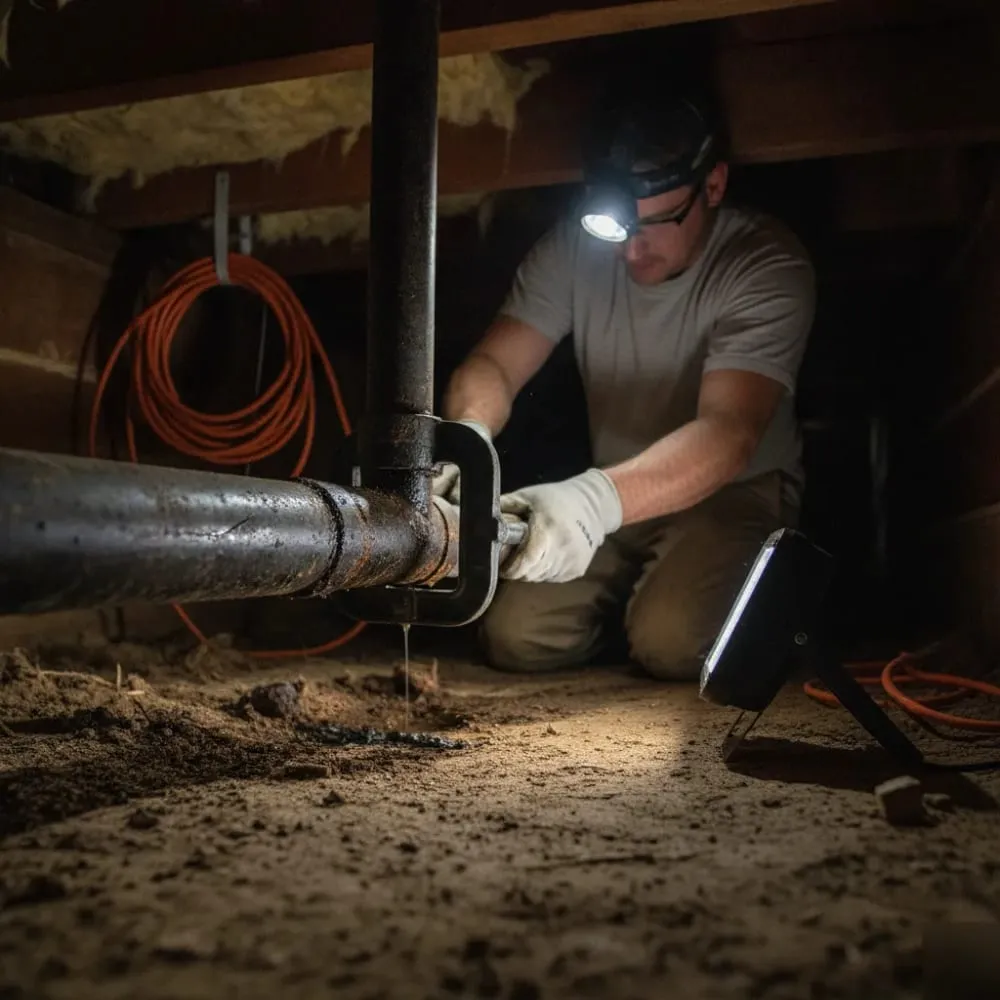
Signs Your Pipes Need Professional Attention
Quick Summary
Water stains, low pressure, banging pipes, and a rising water bill are clear signs you need pipe repair. Older homes near Bensalem Township's historic areas often show these signs earlier because of aging cast iron plumbing.
How do you know it's time to call instead of waiting it out? The signs are often right in front of you. You just have to know what to look for.
- A brownish or yellow stain spreading across a ceiling or wall, usually a sign water's been leaking behind the surface for a while
- Water pressure that's dropped for no reason, especially if it happened suddenly in one fixture but not others
- Banging or rattling noises when you turn a faucet on or off
- A water bill that jumped up without any change in how much you're using
- Damp spots in the yard or near the foundation, even when it hasn't rained
- A musty smell in the basement or crawl space that won't go away
Homes near Bensalem Township's older, established neighborhoods often have original cast iron pipe running under the slab or through the walls. That material corrodes from the inside out. It can look fine on the outside while rusting away where you can't see it. We check for this every week in older Bensalem properties.
Not sure if what you're seeing is a problem? That's a fair question, and a common one. A slow drip under the sink might just need a new washer. But a stain that keeps growing, or a pressure drop that hits the whole house, usually means the pipe itself has failed somewhere along the line - not something you patch and forget.
We tell every homeowner: don't wait for a small leak to become a burst pipe. Catching it early means less mess, less repair, and less stress.
When a Small Leak Doesn't Need a Plumber Yet
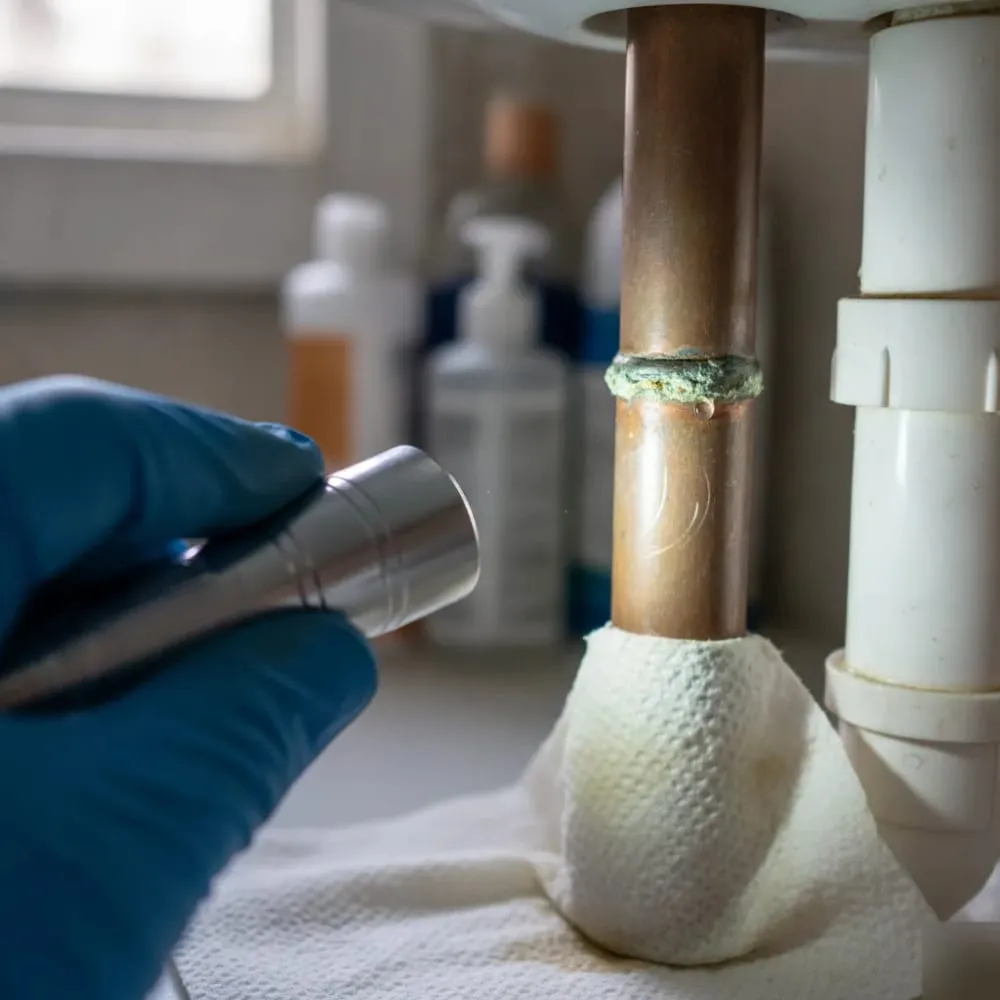
Not every drip is an emergency. We'd rather tell you the truth than send a truck out for something you can handle yourself.
A slow drip at a faucet washer or a loose slip-joint nut under the sink is usually a simple fix. Tighten the nut. Swap the washer. Done. Same goes for a supply line connector that just needs a quarter turn with a wrench. These aren't pipe repair situations. They're maintenance.
Here's the test we tell people to use. If the leak is at a connection point, a fitting, or a valve, and you can see exactly where the water's coming from, try tightening it first. If it stops, great.
- Dampness only appears after you run water, then stops shortly after
- You can pinpoint the exact spot the water's coming from
- There's no discoloration, warping, or soft spots on nearby walls or floors
- The pipe itself looks fine, no cracks, no corrosion, no bulging
But if the leak is coming from inside the pipe wall itself, or you're seeing rust colored water, or the spot keeps coming back no matter how many times you tighten it, that's different. That's not a fitting problem anymore, that's the pipe failing. Once cast iron or old galvanized starts going, tightening won't do a thing.
We see this every week. Somebody tightens a coupling for the third time in two months, and the leak's back by Friday.
That pattern is your answer. Stop tightening and start asking what's going on behind that wall.
Older Cast Iron vs. Newer Construction Failures
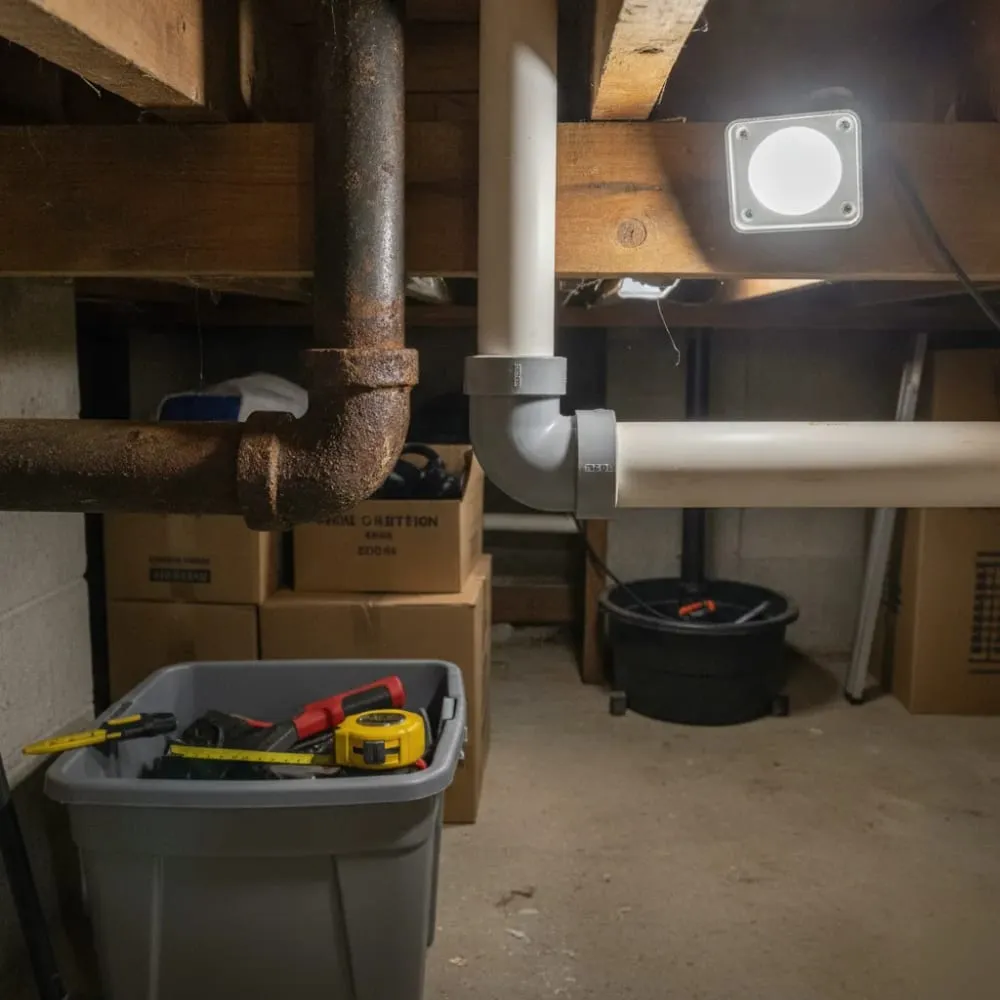
Bensalem's got a real mix of housing, and that mix matters more than most homeowners realize. Homes near the township's older sections often still have original cast iron pipe running under the slab or through the walls. That stuff was built to last, but it doesn't last forever. Cast iron rusts from the inside out, so the pipe can look fine from outside while the inside is nearly closed off with scale and corrosion. Often, when we get called to an older home for a slow drain that keeps coming back, it's cast iron breaking down somewhere in the run.
Newer builds along the Route 13 and Street Road corridors have different problems entirely. Most of those homes use PVC or PEX, which don't rust. But newer isn't bulletproof. We see joint failures, bad glue-ups from the original install, and pipes that got nicked during other work and slowly leak for months before anyone notices a damp spot in the ceiling.
This is exactly why guessing at the fix is a bad idea.
- Cast iron failures usually show up as recurring clogs, gurgling, or a sewer smell that comes and goes
- PVC and PEX failures usually show up as a specific wet spot, a drop in water pressure, or a spike in your water bill
- Older homes may also have additions where new pipe was tied into old cast iron, creating a weak transition point
- Newer homes can have code-compliant pipe that was still installed wrong, which no amount of pipe age explains
Two houses on the same street can need completely different repairs. That's the point. Age tells us where to look first, not what we'll find.
How a Professional Pipe Repair Works
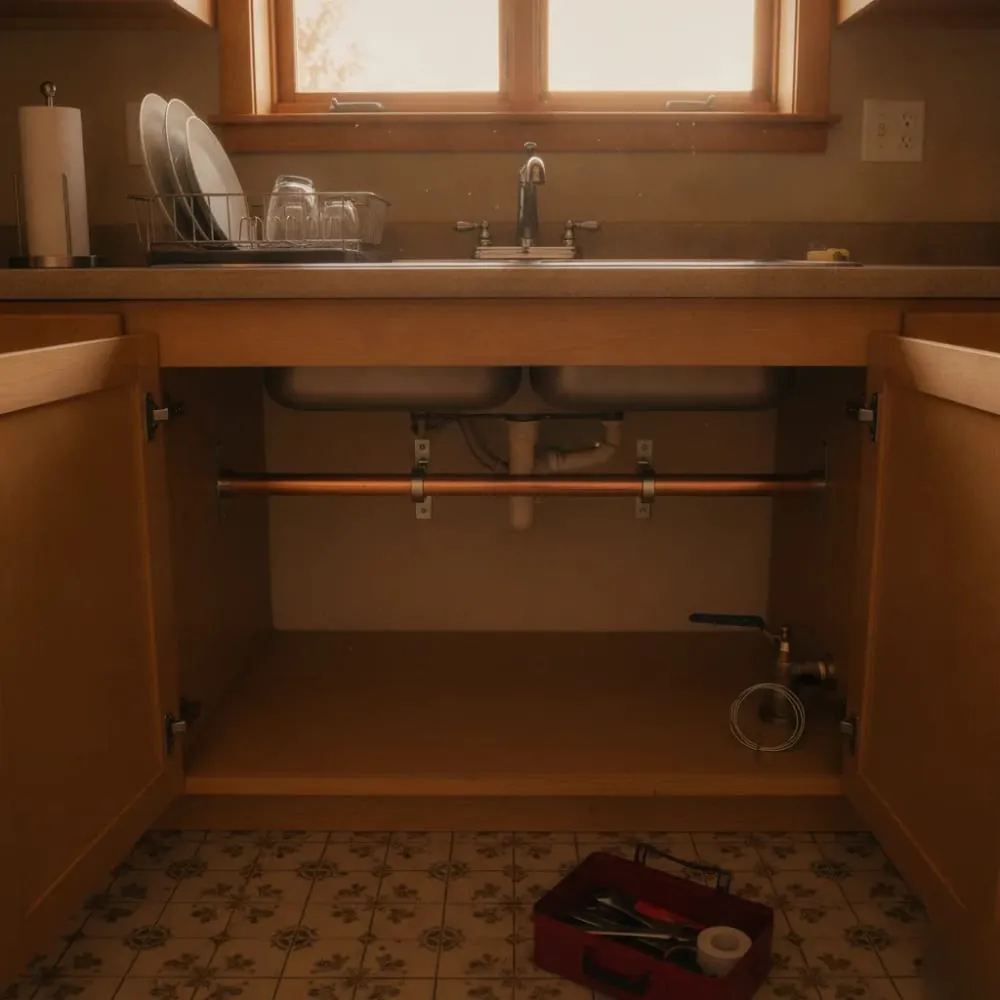
Here's the thing about pipe repair. The actual fix is usually the fast part. Finding the real problem is what takes skill. We've worked in homes near Bensalem Township's older sections where cast iron pipe from decades back is still hiding behind the walls, and cutting into the wrong spot means more drywall damage and more cost for you. We don't just chase the leak. We trace the line.
Often, the spot where water shows up isn't where the actual break is. Water travels along a pipe or a joist before it drips down somewhere for you to notice. That's why we start with a visual inspection, check water pressure, and look at the pipe material before touching anything.
- We find the source, not just the symptom, using pressure checks and sometimes camera inspection for hidden lines
- We figure out what the pipe is made of, since older copper and cast iron behave differently than newer PEX
- We decide whether a section needs replacing or if a targeted repair will hold long term
- We do the work, keeping the area clean and disruption small
- We test the fix under real water pressure before we call it done
That testing step matters more than people think. A pipe repair that looks fine dry can still fail once water pressure hits it full force. We're not leaving until we've seen it hold.
For homes along the Street Road corridor with newer additions, we sometimes find plumbing that was tied into older lines without matching materials. That mismatch is often exactly where trouble starts.
What Drives Pipe Repair Cost
Nobody likes getting a number over the phone that doesn't match the bill later. Let's talk about why pipe repair costs move around so much from one job to the next. It's not random, and it's not us making it up as we go.
The biggest factor is access. A leak behind an open basement wall is a quick fix. That same leak under a slab, or buried behind finished drywall in a bathroom, takes more time and care to reach. Older Bensalem homes with cast iron stacks often mean cutting into a wall or floor that a newer build wouldn't require.
- Pipe material, since cast iron, copper, and PVC each need different tools and repair methods
- How far the damage runs, a pinhole leak versus a section that's corroded end to end
- Where the pipe sits, exposed in a basement versus buried under concrete or behind tile
- Whether a permit's needed, which adds township review time on top of the repair itself
- Water pressure and pipe age, since older systems sometimes reveal a second problem once we open things up
Here's something worth asking before you hire anyone: does the quote include finding the problem, or just fixing what they think it is? A real diagnosis, checking pressure, running a camera if needed, looking at the whole line, costs time up front but saves you from paying twice.
We see this every week. Someone patches a leak themselves, it holds for a month, then it's back worse than before because the real cause never got addressed.
Ask any plumber what's driving the price on your job. A good one will walk you through it, not just hand you a total and move on.
Frequently Asked Questions
How do I know if I need pipe repair or just a simple fix?
You likely just need a simple fix if the leak is at a fitting, valve, or connection point you can see clearly. Try tightening it first. If the drip stops and there's no rust-colored water or repeat leaking, you're fine. But if the same spot keeps leaking after you've tightened it a few times, that's the pipe itself failing, not a loose part. That pattern means it's time to call a plumber.
Why do older homes near Bensalem Township need pipe repair more often?
Older homes near Bensalem Township's historic areas often have original cast iron pipe running under the slab or through the walls. Cast iron rusts from the inside out, so it can look fine outside while nearly closed off with corrosion inside. We check for this every week in older Bensalem properties. Recurring clogs, gurgling, or a sewer smell that comes and goes are usually the first warning signs.
What's the difference between pipe problems in old versus new Bensalem homes?
Older homes near Bensalem's established neighborhoods usually have cast iron issues, while newer builds along Route 13 and Street Road corridors use PVC or PEX. Cast iron failures show up as recurring drain clogs or sewer smells. PVC and PEX failures usually show up as a specific wet spot, dropped water pressure, or a sudden jump in your water bill. Two houses on the same street can need completely different repairs.
What should I do if I see a water stain on my ceiling or wall?
A brownish or yellow stain that keeps spreading means water has been leaking behind that surface for a while. This is one of the clearest signs pipe repair is needed, not something to patch and paint over. Water often travels along a pipe or joist before dripping down somewhere you notice it, so the stain may not even be near the actual break. Call before it grows or a section of wall softens.
How do you find a hidden pipe leak before starting repairs?
We trace the line instead of chasing the visible leak spot. This means checking water pressure, doing a visual inspection, and identifying the pipe material before cutting into anything. Sometimes we use camera inspection for hidden lines behind walls or under slabs. This matters most in homes near Bensalem Township's older sections, where cutting into the wrong spot means more drywall damage and higher cost for you.
What are the warning signs my pipes need professional attention?
Water stains, dropped pressure in one fixture, banging pipes, and a rising water bill with no usage change are the clearest signs. Damp yard spots near your foundation and a musty basement smell that won't go away are also red flags. Homes near Bensalem Township's historic areas often show these signs earlier due to aging cast iron plumbing. Catching these early means less mess and less repair overall.
Need pipe repair today?
We serve every neighborhood in Bensalem and are usually nearby. Call now or request a visit and we'll confirm a window.
Don't wait until it's an emergency
A small drip becomes a ceiling stain. A slow drain becomes a backup. Call (215) 352-4688 now — we answer around the clock and can get a licensed plumber to your door fast.