
Sewer Line Repair in Bensalem: Get an Honest Diagnosis Before Anyone Digs
Camera inspection, trenchless repair, and full line replacement.
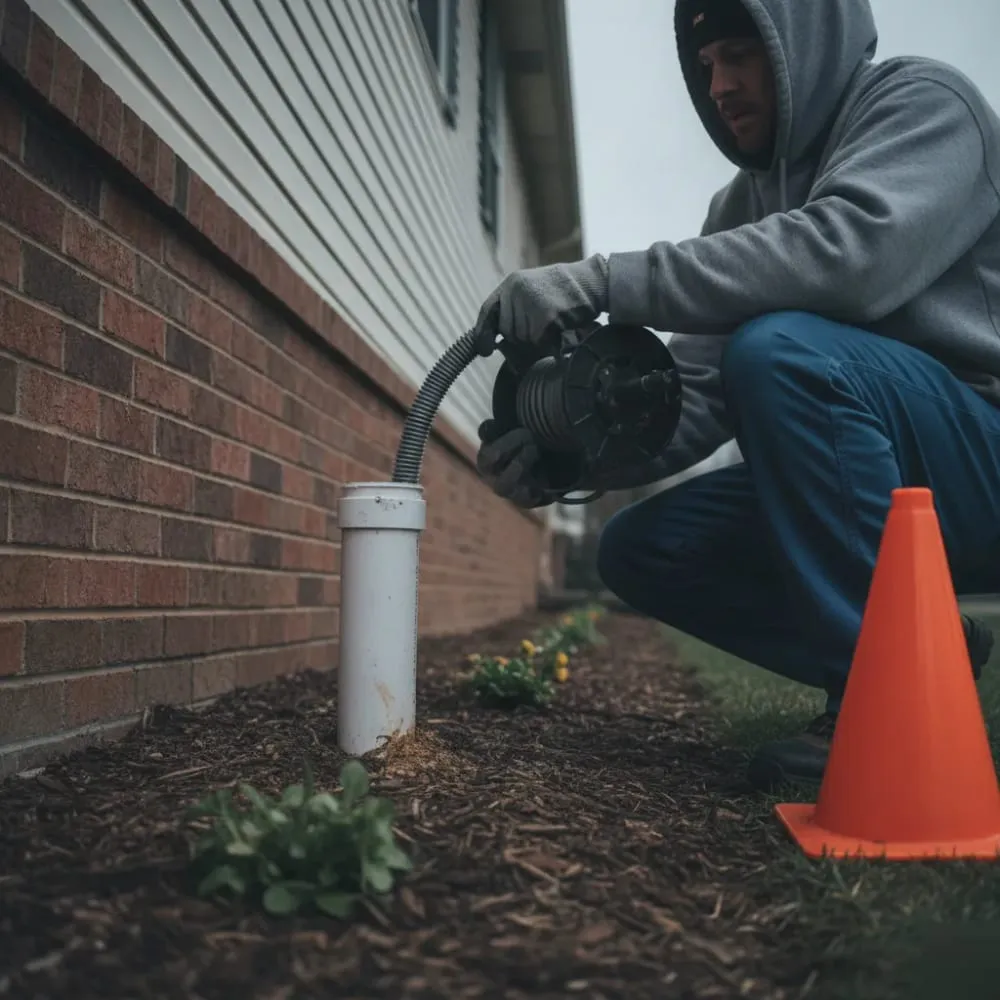
Signs a Sewer Line Is Failing, Not Just Clogged
Quick Summary
A single slow drain is usually nothing. Multiple drains backing up together, gurgling sounds, or sewage smell in the yard means the main sewer line is failing. That pattern separates a simple drain cleaning call from a sewer line repair job.
A real sewer line problem never shows up as just one bad drain. If your kitchen sink is slow, that's probably local, maybe some grease built up in the trap. But if your toilet gurgles when the washing machine drains, or your tub backs up when you flush, that's your whole system talking to you. It points to the main line, not a single fixture.
So what does that look like at your house? We hear about a few common ones constantly.
- Multiple drains backing up at the same time, even ones on different floors
- Gurgling or bubbling sounds coming from toilets or floor drains for no clear reason
- Sewage odor near the basement floor drain or out in the yard
- Soggy or unusually green patches of grass over the line running to the street
- Water backing up into the lowest drain in the house, usually a basement floor drain, whenever you run water upstairs
Older homes near Bensalem Township's historic areas often have clay or cast iron sewer lines. Those materials crack and shift with age. Tree roots find their way in through the smallest joint. Newer construction along Street Road and Route 13 isn't immune either. PVC lines can still sag or get crushed by settling soil.
If you've had the same drain snaked two or three times in the past year and it keeps coming back, that's not bad luck.
That's a sewer line telling you it needs a real look, not another quick fix.
When a Simple Drain Clearing Is All You Need
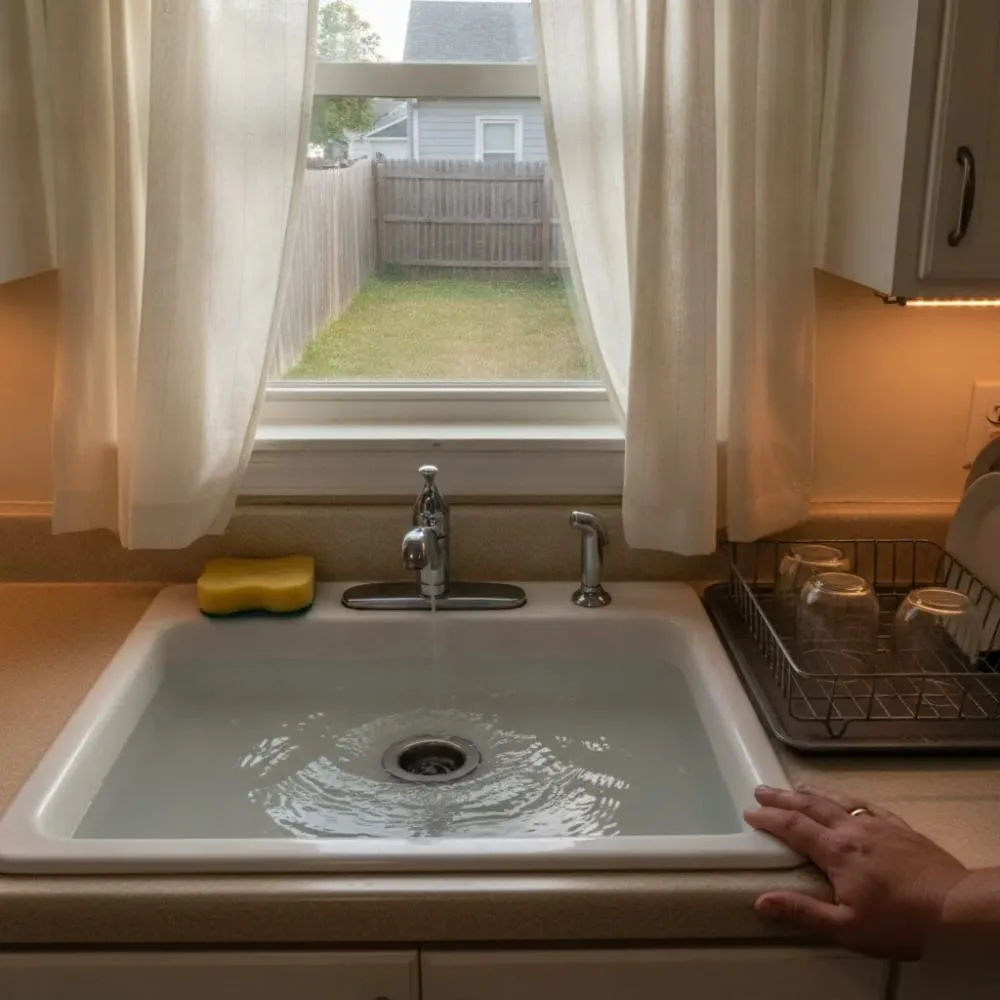
Not every slow drain is a sewer line problem. Most of the time it's the same thing: a clog sitting close to the fixture, not down in the main line. If just one sink or tub is backing up and everything else in the house drains fine, that's a local clog. Don't panic and assume the worst.
A single slow bathroom sink, a tub that drains slow after a shower, a kitchen sink that gurgles once in a while - these usually point to a clogged drain, not a sewer line issue. Drain cleaning or drain snaking clears the blockage right at the source. It's quick, straightforward, and solves the problem without digging up anything.
Sewer line trouble looks different. Multiple drains backing up at once, water in the basement floor drain when you run the washing machine, gurgling toilets when you flush upstairs - that's the main line telling you something's wrong further down the system. If it's just one fixture acting up, you almost never need line repair.
- One drain slow, others normal: local clog, not a sewer line issue
- Smells only near one fixture: probably a trap or vent issue, not the main line
- Slow draining that speeds up after using a plunger: surface-level blockage
- No backups in lower-level drains or basement floor drain: main line is likely clear
Here's the honest truth. A lot of homes throughout Bensalem still have the original clay or cast iron laterals from decades back. Those pipes do fail eventually. But most calls we get for a single slow drain turn out to be grease, hair, or soap buildup right in that fixture's own pipe. Grab a plunger first, run hot water, see what happens. If it's isolated, drain cleaning handles it and you can stop worrying about the bigger stuff.
Root Intrusion and Older Pipe: Why It Keeps Coming Back
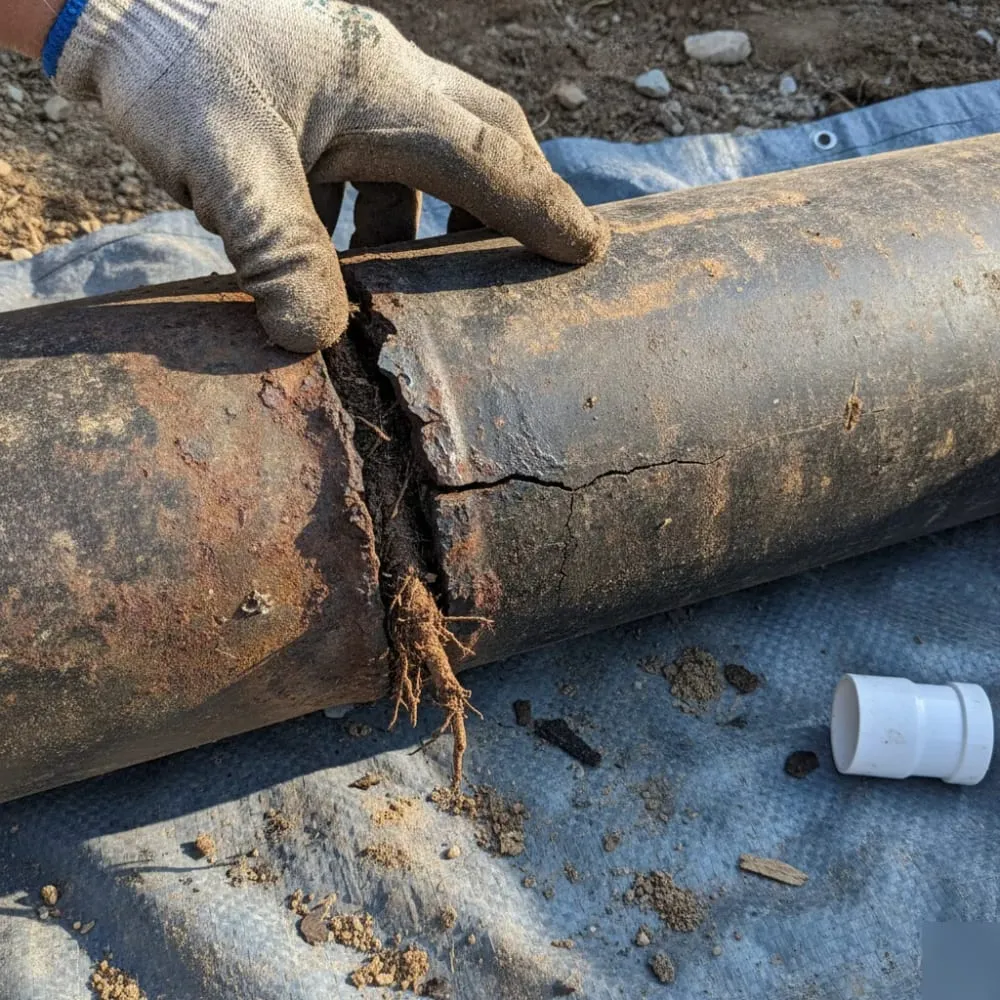
Here's something we hear a lot. "We had this snaked six months ago, why is it backing up again?" Almost always, it's the same thing. Tree roots found a crack or a joint gap. They grow right back through it, every time you clear them out.
Older cast iron pipe is the main culprit around here. It corrodes from the inside. Joints shift with the ground. Small cracks open up over decades. Roots don't cause the crack, they just find it and move in. Once roots are established inside a pipe, a standard drain snake just punches a hole through the root ball. It doesn't remove it. The roots grow back within weeks or months, and you're stuck calling again.
Bensalem's older housing stock near the township's historic areas often still runs on original clay or cast iron lateral lines, some decades old. Those pipes were solid for their time, but joints and materials degrade. Add in shifting soil after a wet season, and you've got the exact conditions roots love.
So how do you know it's roots and not just grease or hair? A few signs give it away.
- Backups that return within a few months of a cleaning, same drain every time
- Gurgling sounds from multiple fixtures at once, not just one sink
- Slow drains throughout the whole house instead of just one bathroom
- Sewer smell in the yard, especially near where the lateral line runs
If that pattern sounds familiar, snaking again just resets the clock. A camera inspection shows exactly where the roots are and what shape the pipe is in underneath them. That's the only way to know if you need a spot repair or a full line replacement.
Trenchless Repair vs. Excavation: Choosing the Right Method
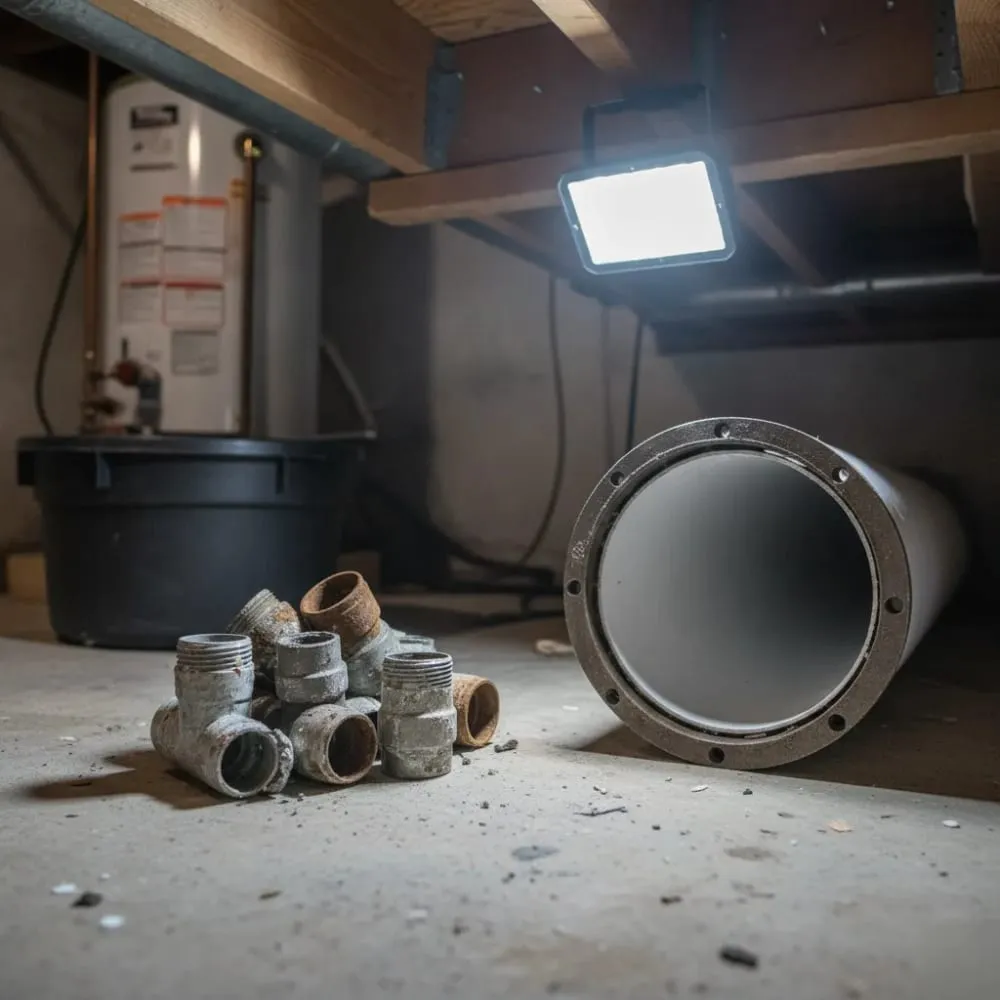
Once we know where the damage is, we've got two ways to fix it. Trenchless repair and old-fashioned excavation. Neither one is automatically better. It depends on what's wrong with your pipe.
Trenchless methods, like pipe lining or pipe bursting, work by going in through an existing access point. No trench across your yard. We pull a new pipe through the old one, or line the inside of it like a cast. It's a great option when the pipe's path is solid but the material's failing from the inside. Older cast iron pipe under some of Bensalem's established neighborhoods is a common candidate for this.
Excavation is still necessary sometimes. If the pipe has collapsed, shifted out of alignment, or has bad bellies where it sags and holds waste, lining it won't fix the shape problem underneath. You can't line a pipe that's crushed.
- Trenchless works best for cracks, root intrusion, and interior corrosion in an otherwise straight pipe
- Excavation is needed for collapsed sections, major offsets, or pipe that's shifted due to soil settling
- Depth and location matter. A line running under a driveway or mature tree root system changes the approach
- Older clay or cast iron pipe often needs a closer look before we commit to either method
Here's the honest part. We won't know for sure which method fits until the camera inspection's done. Anybody who quotes you a method over the phone without seeing the pipe first - that's a guess, not a diagnosis. We look at the footage, we look at where the line runs, and then we tell you what we'd do if it were our own house.
What Happens During a Sewer Line Repair Visit
Here's the thing about sewer line repair: it's rarely a quick in-and-out job. We walk in expecting to spend real time diagnosing before we touch a single pipe. Nearly every visit follows the same basic pattern, whether we're at a ranch home off Street Road or a rowhome near one of Bensalem's older sections with cast iron still in the ground.
- We ask questions first. Slow drains everywhere, gurgling toilets, sewage smell in the yard - that history tells us where to look.
- We run a camera down the line. This shows us the actual pipe, the actual crack or root ball. No guessing involved.
- We locate the problem and mark it. Sometimes that's near the foundation, sometimes it's out toward the street.
- We talk through the repair options with you. Spot repair, full replacement, trenchless where the layout allows it - we explain what fits your situation.
- We do the work. Depending on what we find, this might mean digging a section or two, or running a new liner through the old pipe.
- We test the line and clean up the work area before we leave.
That camera step matters more than people think. Without it, you're paying someone to dig based on a hunch. With it, we know exactly what we're dealing with before anyone breaks ground.
Older homes in Bensalem Township often still have clay or cast iron sewer lines from decades back. Those materials crack and shift with the soil over time. That's a big part of why the camera inspection isn't optional in our process. It tells us if we're dealing with a small crack or a full collapse.
Frequently Asked Questions
How do I know if I need a sewer line repair or just a drain cleaning?
You need line repair if multiple drains back up together, not just one. A single slow sink or tub that drains fine after a plunge is usually a local clog. But if your toilet gurgles when the washing machine runs, or water rises in your basement floor drain when you flush upstairs, that points to the main line. One fixture acting up almost never means sewer line trouble.
Why does my drain keep backing up after it was already snaked?
Roots are likely growing back through a crack or joint gap in the pipe. Snaking punches through the root ball but doesn't remove it, so roots regrow within weeks or months. This is common in older cast iron and clay lines. If the same drain backs up again within a few months of cleaning, a camera inspection will show exactly where the roots are and whether you need a spot repair.
Are older homes in Bensalem more likely to have sewer line problems?
Yes, older homes near Bensalem Township's historic areas often still have original clay or cast iron sewer laterals. These materials corrode and crack with age, and their joints shift as the ground settles over decades. Newer construction along Street Road and Route 13 isn't fully safe either, since PVC lines can sag or get crushed by settling soil. Either way, repeated backups mean it's time for a real inspection.
What's the difference between trenchless repair and excavation for a sewer line?
Trenchless repair goes in through an existing access point and either pulls a new pipe through the old one or lines the inside of it, so there's no trench dug across your yard. Excavation is still needed if the pipe has collapsed or shifted out of position. Trenchless works well for older cast iron pipe that's failing from the inside but still holds its shape.
Do you offer emergency sewer line repair in Bensalem?
Yes, we handle 24/7 emergency calls for leaks, backups, and no-heat or no-hot-water situations tied to sewer line failures. A sewage smell in the yard or water backing up into your lowest drain shouldn't wait until morning. Call as soon as you notice multiple drains acting up together, since that pattern usually means the main line needs attention right away.
What should I expect when a technician comes out to look at my sewer line?
Expect an honest diagnosis before anyone starts digging. We'll ask about the pattern of backups, check which drains are affected, and often run a camera down the line to see the actual condition of the pipe. That inspection tells us whether roots, a crack, or a collapsed section caused the problem, and whether trenchless repair or excavation makes more sense for your situation.
Need sewer & main water line services today?
We serve every neighborhood in Bensalem and are usually nearby. Call now or request a visit and we'll confirm a window.
Don't wait until it's an emergency
A small drip becomes a ceiling stain. A slow drain becomes a backup. Call (215) 352-4688 now — we answer around the clock and can get a licensed plumber to your door fast.